
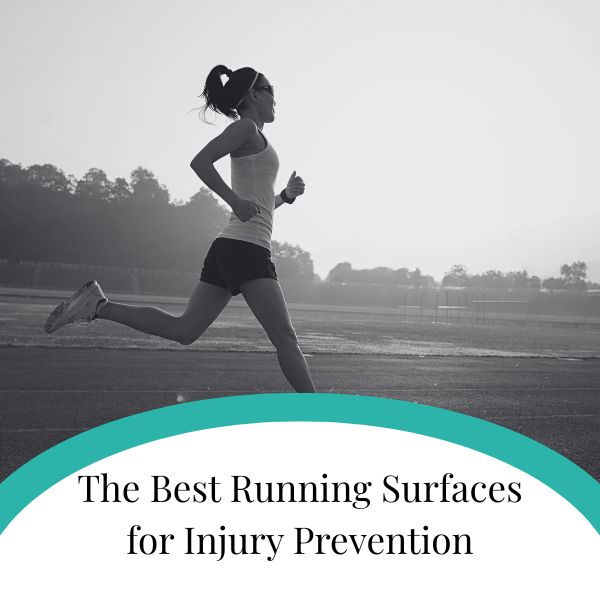
Running is one of the most accessible forms of exercise out there — all you really need is a good pair of running shoes and some comfortable workout clothes. But there’s one piece of the equation that’s easy to overlook: where you run. The surface under your feet has a real effect on your body, and understanding how different terrains impact you can help you avoid pain and injury down the road. At Advance Physical Therapy in Lindenhurst, NY, we want every patient to build a running routine that keeps them healthy for the long haul.
Why Your Running Surface Matters
Running is a high-impact activity, and your body absorbs that impact with every single step. Each time your foot strikes the ground, the force traveling up through your legs is roughly two to three times your body weight — and over the course of a single 5K, the average runner’s feet hit the ground about 3,000 times. Those shock waves travel from your feet all the way up through your ankles, knees, hips, and lower back.
That repetitive loading is exactly why runners are prone to injuries like shin splints, stress fractures, plantar fasciitis, runner’s knee, and Achilles tendinitis. The harder the surface, the more of that force your body has to absorb on its own. There’s no such thing as a “perfect” running surface, but some are far friendlier to your joints than others — and if you do get hurt, Advance Physical Therapy in Lindenhurst is here to help you recover the right way.
Running Surfaces, Softest to Hardest
Grass and Dirt Trails
Soft, natural surfaces like grass and dirt are among the best choices for reducing impact. The give in the ground absorbs shock that would otherwise travel straight into your joints, and the varied terrain engages a wider range of stabilizing muscles, which can build strength over time. The trade-off is footing: uneven ground, hidden roots, and holes raise the risk of a rolled ankle or a fall. Look for surfaces that are soft but relatively smooth, and stay alert to what’s underfoot. (Very loose surfaces like deep sand are the exception — they’re so unstable they can strain the calves and Achilles.)
Synthetic Tracks
The rubberized tracks at schools and local fitness facilities are purpose-built for running. Modern synthetic tracks are engineered to cushion impact and return energy with each stride, making them one of the gentler options for your joints while still feeling responsive and fast. The main downside is the curve — running the same direction lap after lap can quietly overload one side of your body. Switch directions periodically to keep things balanced.
Asphalt
Asphalt is what you’ll find on most roads and paths, and it’s convenient and consistent — the even, predictable surface makes it easy to settle into a steady rhythm. But don’t mistake convenience for cushioning. Asphalt is a hard surface that offers only slightly more give than concrete, so it still transfers most of the impact to your body. A couple of things to keep in mind: asphalt gets softer in heat and firmer in the cold, and dark pavement can get dangerously hot in summer, so plan your runs and hydration accordingly.
Concrete
Sidewalks and many parking lots are concrete, which is the hardest and least forgiving surface most runners encounter. It barely absorbs any shock, meaning your bones, joints, and muscles take on nearly the full force of every step. Concrete isn’t off-limits, but it’s smart to limit your mileage on it, lean on well-cushioned shoes, and mix in softer surfaces whenever you can.
Treadmills
Treadmills are a popular option, especially for beginners or anyone coming back from an injury. The flat, controlled surface offers built-in cushioning that’s easier on the joints than pavement, and you can dial in your speed and incline for a customized, weather-proof workout. The catch is that running in place for long stretches can subtly change your gait, so it’s best used as one part of your routine rather than the whole thing.
The Smartest Strategy: Mix It Up
Here’s the takeaway most runners miss — the best approach usually isn’t picking one “ideal” surface and sticking to it. Rotating between surfaces spreads the load across different tissues and helps prevent the repetitive-strain injuries that come from pounding the same terrain day after day. Pair that with proper footwear, a sensible warm-up, and gradual mileage increases, and you’ll give your body its best shot at staying healthy.
Physical Therapy in Lindenhurst, NY
Whether you run casually on the weekends or you’re training for your next marathon, injury prevention should always be part of the plan — and something as simple as your running surface can make a real difference. If you’re dealing with a running-related injury or just want to talk through the best way to protect your body, reach out to Advance Physical Therapy in Lindenhurst, NY. We’re here to help you keep moving.





No comment