
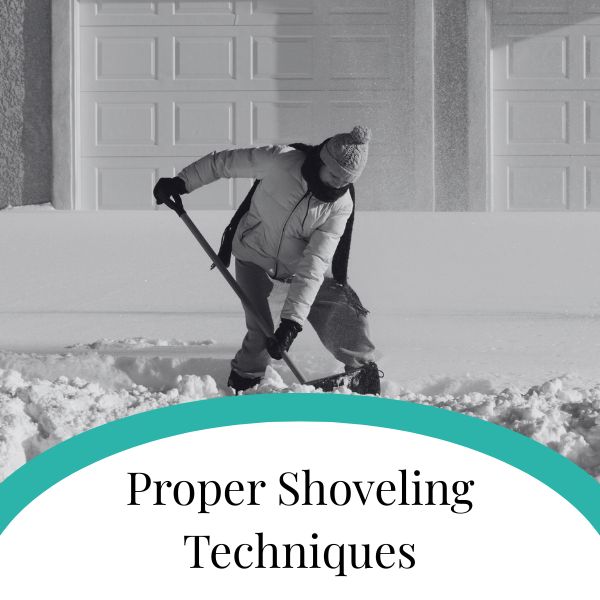
One of the best parts about living in New York is that we get to experience all four seasons. We’re never stuck in a never-ending summer, and while our winters can be harsh, they don’t last all year. But as the colder months roll in and the chance of snow climbs, New Yorkers have to prepare for the inevitable: shoveling. Doing it the right way isn’t just about clearing the driveway faster — it’s about protecting your body from a chore that sends far more people to the doctor than most realize.
Why Shoveling Deserves Your Respect
Snow shoveling looks harmless, but it’s surprisingly demanding — a single session can mean moving hundreds or even thousands of pounds of snow. Research shows that roughly 11,500 people end up in U.S. emergency rooms every winter because of shoveling, and the majority of those are soft-tissue strains, with the lower back being the single most commonly injured area.
The most serious risk, though, is one the shovel never touches: your heart. Cold air causes your blood vessels to constrict while the heavy exertion rapidly spikes your heart rate and blood pressure — a combination that can trigger a cardiac event. Cardiac emergencies are a small share of shoveling injuries overall, but they account for nearly all of the deaths, and adults over 55 are more than four times as likely to experience heart-related symptoms while shoveling. The takeaway isn’t to panic — it’s to shovel smart.
Before You Pick Up the Shovel
Consider your heart health first. If you’re over 45, have a history of heart disease, high blood pressure, high cholesterol, or you’re generally inactive, talk to your doctor about whether shoveling is safe for you. If it isn’t, a snow blower, a hired service, or a helpful neighbor is a far better option than a trip to the ER.
Pick the right shovel. Spending a few extra dollars on an ergonomic shovel makes a real difference. A curved or adjustable handle reduces how much you have to bend, and a lighter plastic blade cuts down on the weight you’re hauling with every scoop. A smaller blade also naturally keeps your loads lighter.
Warm up. Cold, tight muscles are far more prone to injury. Just five to ten minutes of light movement beforehand — a brisk walk, some gentle stretches — primes your muscles and helps fend off the fatigue and soreness that lead to careless technique later.
Dress for it and mind your footing. Wear warm, layered clothing and gloves to keep your circulation up, and choose boots with good traction. Slips and falls are one of the top causes of shoveling injuries, so spreading a little salt or sand on icy patches first is well worth the effort.
The Right Way to Shovel
Once you’re warmed up, the golden rule is to push the snow to the side rather than lift it whenever you can. Pushing keeps the strain off your back and heart.
When lifting is unavoidable, technique is everything:
- Bend at your hips and knees, not your back. Keep your back straight and your chest pointed outward, and lift with your leg muscles — they’re far stronger than your back.
- Keep loads light. Scoop smaller amounts, and clear deep snow in shallow layers of a few inches at a time rather than trying to hoist a full shovelful.
- Never twist to toss. Twisting your torso while holding a loaded shovel is a classic way to hurt your back. Instead, turn your whole body to face where you want the snow, then walk it over.
- Work early and take breaks. Fresh snow is lighter than snow that’s had time to pack down or partially melt and refreeze, so start early if you can. Pace yourself, take frequent rests, and stay hydrated even in the cold.
Know When to Stop
Your body will tell you when it’s had enough — listen to it. Stop shoveling and seek medical attention right away if you feel any chest, arm, throat, or jaw discomfort or tightness, shortness of breath, lightheadedness, or a racing heartbeat. These can be warning signs of a heart problem, and they are never worth pushing through to finish the driveway.
Physical Therapy on Long Island
With these tips, shoveling this winter should be far safer. But if you do notice your back — or any other part of your body — feeling the strain, make an appointment with Advance Physical Therapy so we can address the problem and get you back to enjoying everything winter has to offer.
Did you know you have Direct Access to Physical Therapy? No referral is needed. We offer the best physical therapy on Long Island, with trusted, expert physical therapists ready to help. We have several locations across Long Island, including Massapequa, Valley Stream, Wantagh, and Lindenhurst. To start your physical therapy evaluation, call Advance Physical Therapy and The Physical Therapy Alliance at (516) 447-2382.




No comment