

Why Staying Fit Matters in Winter
Of all four seasons, winter can be one of the toughest on your body. It brings plenty of fun — snowboarding, ice skating, sledding — but those same activities carry real injury risk. Add in the demands of the season itself, like long stretches of shoveling snow and hauling heavy, salt-crusted gear, and it’s easy to see why winter sends so many people to the physical therapist. The single best thing you can do to stay healthy and avoid injury through it all is to stay active.
When your body isn’t conditioned, even a routine task like shoveling snow can strain your back — or, because it combines cold air with sudden heavy exertion, place dangerous stress on your heart. Physical therapy is a powerful tool for recovering from injuries like these, but its real value in winter is helping prevent them in the first place.
Why the Cold Raises Your Injury Risk
There’s a physiological reason you feel stiffer when it’s cold. To protect your core temperature, your body pulls blood inward, away from your arms and legs — so your limb muscles get less blood and oxygen, leaving them stiffer and quicker to fatigue. At the same time, your muscles, tendons, and ligaments lose elasticity and your joints stiffen as the fluid inside them thickens. The result is reduced flexibility and slower reaction times, which makes cold muscles far more prone to strains and tears, especially if you’ve been less active over the winter and jump straight into a strenuous task.
How Physical Therapy Helps Prevent Winter Injuries
This is where a physical therapist earns their keep before an injury ever happens. A PT will assess how your body moves, identify the muscle imbalances and mobility restrictions that cold weather tends to expose, and build you a personalized plan — often just a manageable daily or weekly routine — to keep you strong and resilient. Targeted work on strength, flexibility, and balance not only lowers your injury risk but also helps with the balance and stability that prevent slips and falls on icy ground. If you have a history of back pain or a prior injury, this kind of preventive conditioning is especially valuable heading into a season of lifting and shoveling.
Simple Habits to Stay Injury-Free This Winter
You don’t need hours a day to protect yourself. A few consistent habits go a long way:
Stay consistently active. Regular movement keeps your muscles conditioned and your joints mobile. Even shorter sessions add up, and consistency matters more than intensity — the goal is to avoid asking cold, out-of-practice muscles to suddenly do hard work.
Warm up before cold-weather exertion. Before you head out to shovel or exercise, take 10 to 15 minutes to gradually raise your heart rate and loosen up — ideally indoors so your body is ready before it hits the cold. Use dynamic movements like arm circles, walking lunges, and gentle trunk twists to prepare your whole body.
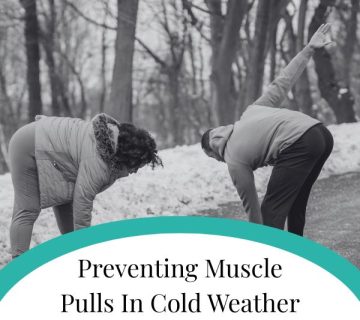
Stretch at the right time. Save your longer, held (static) stretches for after activity, when your muscles are warm — that’s when they help most with flexibility and soreness. Focus on the calves, hamstrings, and lower back, the areas that take the brunt of winter chores.
Mind your footing and your layers. Icy, uneven ground is a leading cause of winter falls, so wear footwear with good traction and choose cleared, well-lit paths. Dress in light, loose layers to regulate your temperature, and don’t forget to hydrate — dry winter air and sweat still cost you fluids even when you don’t feel hot.
Get Ahead of Winter Injuries
A few minutes here and there can save you from long, painful hours laid up with a winter injury. Stay active, warm up, stretch smart, and use proper lifting technique for the season ahead. And if you’d like a preventive plan tailored to your body — or you’re already dealing with a winter ache that won’t quit — the team at Advance Physical Therapy can help you stay strong and moving all season long.





No comment